What a House Lockout Service Actually Involves — and Why Technique Matters
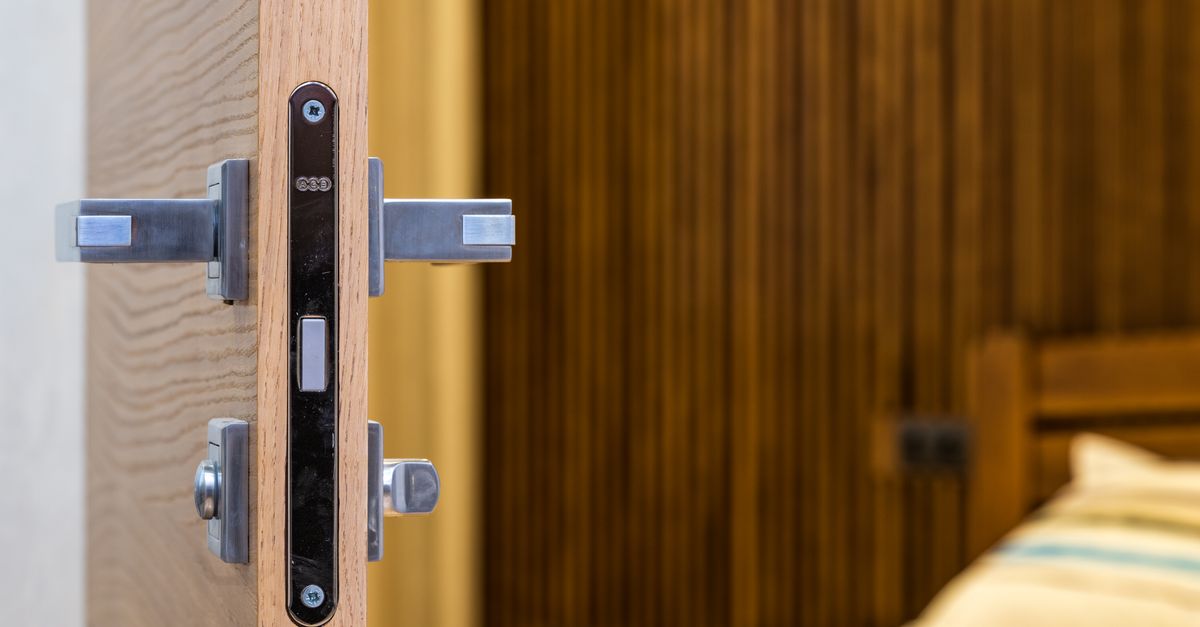
When you call us for a house lockout, the first thing our technician does is verify your right to enter the property. This is a non-negotiable step — we'll ask for a photo ID and may ask you to confirm the address, and we appreciate that most customers understand why this matters. Once ownership is confirmed, our technician assesses the lock type before touching anything. A standard door knob lock on an interior-style entry door responds to different methods than a high-security mortise lock set into the edge of a steel-reinforced door. Mortise lock mechanisms — common in older Rockville Centre homes and garden apartment buildings along Sunrise Highway — are more complex, with a full lock body recessed into the door itself. Our technicians are specifically trained on mortise lock anatomy, which means they can manipulate the mechanism without drilling or destroying the hardware.
Non-destructive entry is not just a selling point — it's a genuine skill. Forced entry damages door frames, misaligns strike plates, and sometimes voids home insurance claims. Damage-free techniques preserve your lock warranty and, critically, mean you are not writing a large repair check on top of a service call. We always confirm an exact, up-front price before any work begins, so there are no surprises on either side. If a lock is so damaged or worn that non-destructive entry is not possible, we will tell you clearly before proceeding and walk you through replacement options on the spot.