Car Key Replacement by Vehicle Brand: Why One Size Never Fits All
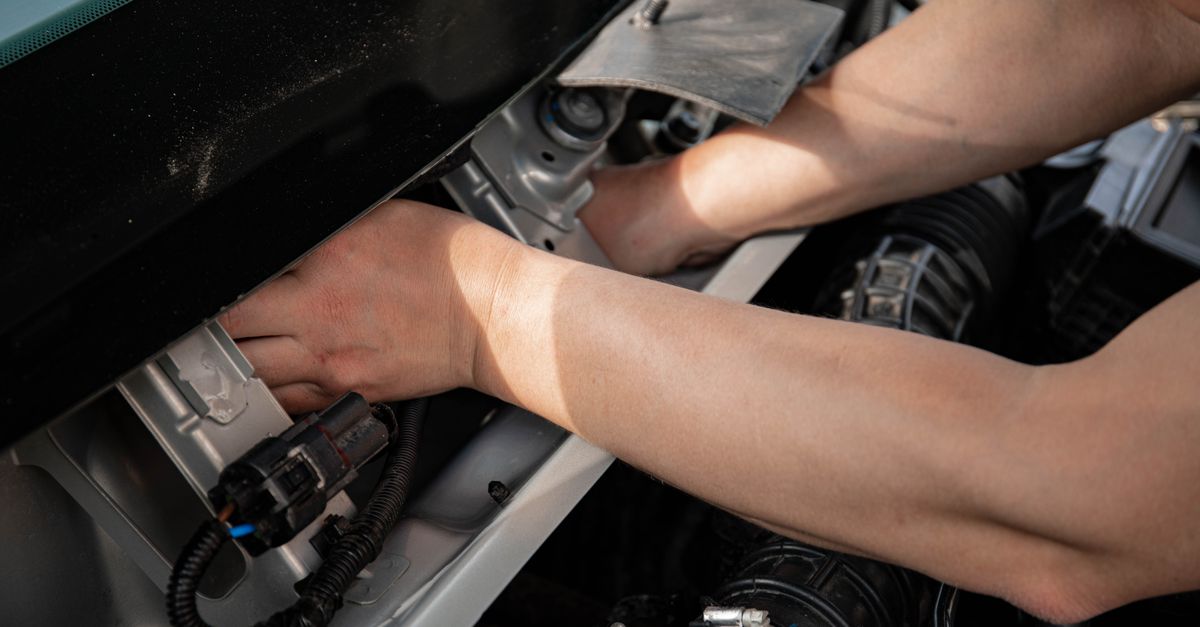
Every major automaker uses a distinct key architecture, and understanding those differences is what separates a skilled automotive locksmith from a general hardware-store key duplicator. Toyota and Lexus vehicles manufactured after the mid-2000s rely on a 4D or 8A transponder chip embedded in the key head; programming requires a direct connection to the vehicle's OBD-II port and manufacturer-specific software to write a new key code to the immobilizer module. Honda and Acura use a proprietary ID system that prevents cloning without the original key present — meaning a skilled technician must use an advanced key generator tool rather than a simple copy. We carry equipment that handles all of these protocols without disturbing your vehicle's existing ECU data.
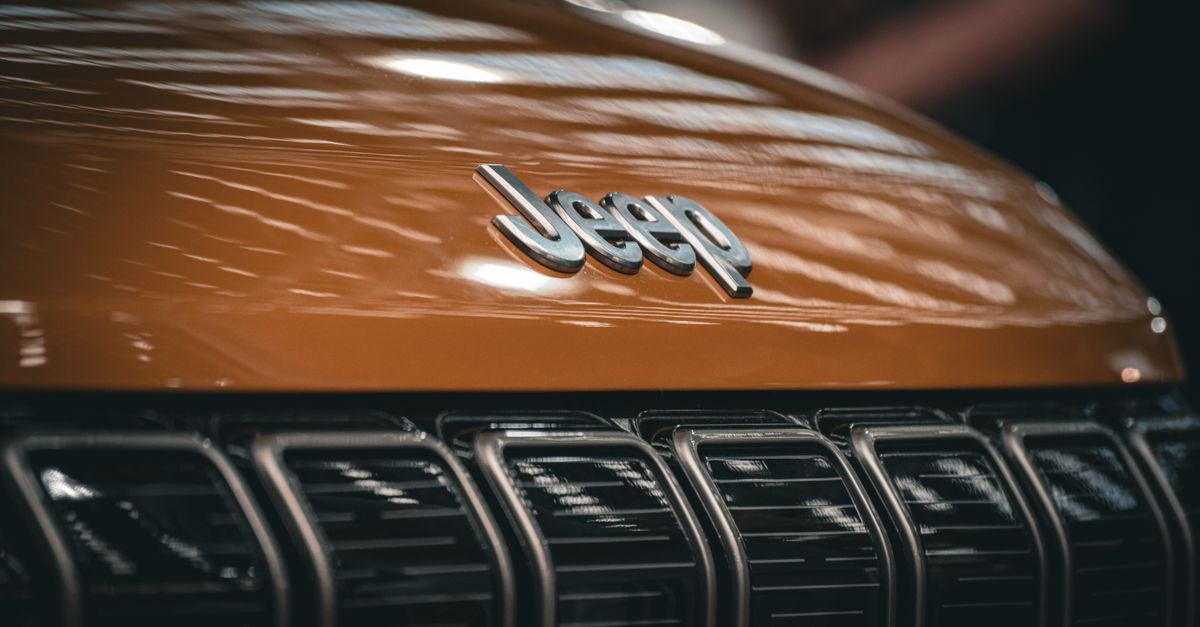
Domestic brands bring their own requirements. Ford's PATS (Passive Anti-Theft System) has evolved through multiple generations — older PATS 1 systems require two working keys present during programming, while PATS 4 and later allow dealer-level bypass tools to generate keys from scratch. GM vehicles across Chevrolet, GMC, Buick, and Cadillac shifted to the VATS and then PASS-Key III systems before moving to rolling-code smart keys on newer models. Chrysler, Dodge, and Jeep platforms use SKIM (Sentry Key Immobilizer Module) technology that demands a secure-channel PIN to authorize a replacement key. Our technicians carry multi-platform programmers updated regularly to reflect the latest vehicle releases, so your make and year is almost certainly already in our system.